

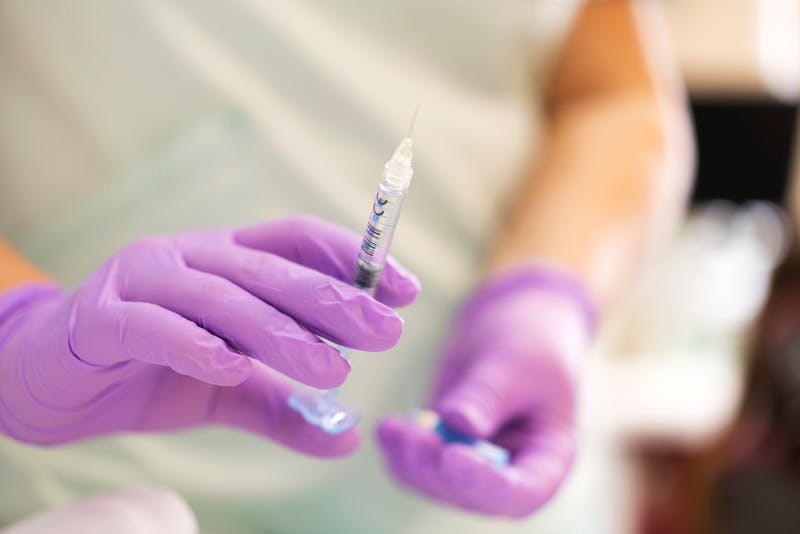
When it comes to non-surgical anti-aging treatments, neuromodulators like Botox, Dysport, Xeomin, and the newest addition, Letybo, have become the go-to solutions for reducing the appearance of wrinkles and fine lines. These injectable treatments temporarily relax facial muscles, softening dynamic wrinkles caused by facial expressions. But how do you know which neuromodulator is right for you? In this comprehensive guide, we’ll compare the popular options available at Neem Medical Spa in Boston to help you make an informed decision about which neuromodulator is best suited to your needs.
What Are Neuromodulators and How Are They Different?
Neuromodulators are injectable treatments that temporarily block nerve-muscle signaling, preventing muscle contractions that cause dynamic wrinkles. All four of the treatments discussed—Botox, Dysport, Xeomin, and Letybo—contain botulinum toxin type A, the same active ingredient. The key differences lie in their formulations, delivery systems, and clinical outcomes.
Think of these neuromodulators like different cars with the same engine. They all perform the same basic function (smoothing wrinkles), but the way they deliver the treatment differs, affecting how quickly they work, where they spread, and how long they last. Some people may find that one works better for their needs, depending on factors such as onset time, spread radius, or resistance to the product.
As neuromodulator treatments continue to grow in popularity, it's worth noting that approximately 9 million neuromodulator treatments are performed in the U.S. annually, making them the most popular non-surgical cosmetic procedure (Source: American Society of Plastic Surgeons Annual Report).
Botox vs Dysport: Side-by-Side Comparison
Botox is the most well-known neuromodulator with over two decades of use. It’s known for its precise application, making it ideal for smaller treatment areas like crow’s feet and frown lines. The treatment takes about 4-5 days to show full effects, and its smaller spread (about the size of a penny) makes it better suited for more targeted areas.
Dysport, on the other hand, works faster and spreads more widely. It typically takes 2-3 days to see results and has a wider spread (about the size of a quarter), making it an excellent choice for larger areas like the forehead. The unit conversion ratio between Botox and Dysport is approximately 1 unit of Botox ≈ 2.5-3 units of Dysport, meaning you'll typically need more Dysport to achieve the same results.
Dysport also has a wider diffusion profile, spreading approximately 3x wider than Xeomin under the skin, which can make it more effective for larger areas like the forehead (Source: IAPAM). Additionally, Dysport has a faster onset compared to Botox, which is another reason why many patients opt for Dysport for larger treatment areas.
Cost: The price per treatment for both Botox and Dysport is similar, but the number of units required for Dysport may make it slightly more expensive for some individuals.
At Neem Medical Spa, we offer both Botox and Dysport and will help you choose the best option based on your needs.
Botox vs Xeomin: The 'Naked Injectable' Difference
Xeomin is a unique neuromodulator because it is considered the “naked injectable.” Unlike Botox and Dysport, which contain accessory proteins, Xeomin is purified to contain only botulinum toxin type A. This makes it less likely for the body to develop resistance over time, which can happen with other formulations if used repeatedly.
One of the key differences with Xeomin is its smaller spread radius—about the size of a dime. This makes it perfect for more localized treatments, such as frown lines. Additionally, Xeomin has the fastest onset time, showing visible results in as little as 1-2 days.
Xeomin is often recommended for patients who have developed resistance to Botox over time. However, the unit dosing is similar to Botox, so if you’ve been satisfied with Botox but want to try a different formulation, Xeomin may be the right choice for you.
As noted by the International Association for Physicians in Aesthetic Medicine (IAPAM), the naked formulation of Xeomin reduces the chances of antibody resistance, making it an ideal choice for long-term users of botulinum toxin (Source: IAPAM — Xeomin vs Botox vs Dysport Explained).
Letybo (Letibotulinum Toxin-A): The Newest Option at Neem Medical Spa
Letybo is the newest FDA-approved neuromodulator, having received approval in 2024. Developed in South Korea, Letybo works similarly to Botox, temporarily relaxing facial muscles to reduce the appearance of wrinkles. While clinical data are limited compared to Botox and Dysport, early studies indicate that Letybo offers comparable efficacy and safety.
At Neem Medical Spa, we’re excited to be one of the few practices in Boston offering Letybo. For patients who want to try the newest formulation on the market, Letybo provides an alternative to traditional Botox with the same effectiveness.
Letybo is a great option for patients who are curious about newer neuromodulator formulations. Early data suggest that it provides results and safety profiles similar to those of Botox (Source: FDA Drug Approval Database).
If you’re curious about this new neuromodulator and want to be one of the first in Boston to experience it, Letybo may be a great option for you.
Botox vs Dermal Fillers: Which Do You Actually Need?
While Botox is often the go-to solution for wrinkles caused by muscle movement (such as frown lines, crow’s feet, and forehead wrinkles), dermal fillers address a different type of wrinkle and concern. Botox treats dynamic wrinkles, which appear when you make facial expressions, while dermal fillers treat static wrinkles, which are visible even when your face is at rest.
Dermal fillers (such as Juvederm or Restylane) are ideal for addressing volume loss in areas like the cheeks, under-eye hollows, or nasolabial folds. If you're concerned about volume loss or deeper wrinkles that don't change with movement, fillers may be the best treatment option.
Many patients benefit from both treatments: using Botox for dynamic wrinkles and fillers for volume loss. At Neem Medical Spa, we follow the Foundation/Fill/Finish approach, which starts with Botox to relax muscles, then uses dermal fillers to restore volume, and finishes with treatments like skin resurfacing for overall rejuvenation.
Which Neuromodulator Is Right for You? A Decision Guide
Choosing the right neuromodulator depends on several factors, including your wrinkle concerns, preferred onset, and any past experience with botulinum toxins. Here’s a simple guide to help you choose:
-
First-time patient? Botox is the most tried-and-true option with a long track record of success, making it a safe choice for first-time users.
-
Large forehead concerns? Dysport is ideal because it has a faster onset and a wider spread, making it perfect for treating larger areas like the forehead.
-
Developed resistance to Botox? Xeomin is the best option because it has fewer accessory proteins, reducing the risk of resistance over time.
-
Curious about the newest neuromodulator on the market? Letybo offers a new alternative, with early data suggesting similar efficacy to Botox.
Remember, the injector matters more than the brand! At Neem Medical Spa, Dr. Rosy Sandhu will help you decide which neuromodulator is right for your skin and goals during your consultation.
Conclusion
With neuromodulators like Botox, Dysport, Xeomin, and Letybo, you have plenty of options for treating wrinkles and achieving a more youthful appearance without surgery. Whether you're looking for a precise, targeted treatment or something that covers larger areas, there’s a formulation that fits your needs.
If you’re unsure which neuromodulator is right for you, Neem Medical Spa offers personalized consultations to guide you through the decision-making process. With the expertise of Dr. Rosy Sandhu and the latest treatment options available, you’ll be in good hands for achieving your aesthetic goals.
External Resources: