
About Laser Skin Resurfacing

Neem Medical Spa offers several types of laser treatments for skin rejuvenation and resurfacing. Our treatments with the Cutera enlighten®, Fraxel, PICO Genesis™, ResurFX™, and Clear + Brilliant® technologies require little to no downtime and produce incredible results. This is an ideal treatment for men and women with facial wrinkles, fine lines, and skin flaws, like hyperpigmentation, acne scars, and other issues. Skin resurfacing with a laser at Neem Medical Spa is a noninvasive aesthetic treatment that utilizes pulsating beams of energy to eliminate dead and damaged skin cell layers.

Based on your skin type and visible concerns, the treatment will be customized for your best results. Any questions or concerns may be reviewed with board-certified internal medicine physician Dr. Rosy Sandhu during your consultation. You can book an appointment for laser skin resurfacing in Boston, Lynnfield, Winchester, or Salem, NH, at Neem Medical Spa.

Types Of Laser Treatments

Neem Medical Spa offers several technologies for laser skin resurfacing treatments that are selected, depending on your skin goals. Some are performed for milder cases of skin damage while others are more aggressive:

Ablative Laser Treatments (Lumenis ResurFX)

Ablative Laser Treatments uses a fiber laser combined with a very advanced scanner to provide over 600 combinations of laser energy shape, size, and density for optimal treatment results. What makes the ResurFX unique is the ability to achieve full treatment in a single pass. This laser is used for hair removal and other treatments.

Non-Ablative Laser Treatments (PICO Genesis, Cutera enlighten)

Non-ablative laser treatments don't remove the skin — the laser light simply makes micro-injuries to the skin cells to encourage natural skin healing. Non-ablative facials are great for addressing wrinkles and fine lines on those who are willing to wait for 2 – 3 months to see strong results.

Fractional Laser Treatments (Clear + Brilliant)

Fractional laser treatments are a combination of non-ablative and ablative that make small holes in the deeper skin layers. The body's self-healing process leads to tighter, healthier skin. Fractional laser treatments can also be used to treat fine lines, sun damage, acne scars, and pigmentation issues.

Background media
woman smiling with head resting on shoulder

Ideal Candidates

You have multiple factors to think about when selecting a laser peel for your needs. Laser skin resurfacing in Boston, Winchester, Lynnfield, & Salem, NH is ideal for men and women who are unsatisfied with their skin's appearance. If you see skin damaged by the sun, age spots, acne scars, wrinkles, hyperpigmentation, or redness in your skin, a laser peel may be helpful. Also, a laser peel is wonderful for adults who have a rough texture, scaly patches, or other skin surface problems. A laser peel isn't suggested for anyone who has very dark skin tones or active acne outbreaks. Additionally, it's important to know that there is a recovery period needed after laser treatments. Based on the skin condition, you may require as much as 2 – 3 weeks for the skin to normalize.

Treatment Technique

Before you are scheduled for a laser peel, you may be given a retinoid product to use for 2 – 3 weeks before your actual appointment to prepare your skin. If your complexion only needs mild improvement, a topical anesthesia may be applied to numb treated areas of the face. For your entire face or deeper laser procedures, some kind of sedation may be required. Throughout the procedure, you can relax in our treatment chair while the laser hand-piece passes over your skin, directly targeting the needed surfaces for rejuvenation. You may feel the heat of the laser followed with cold air from the system's built-in cooling device. The laser energy is designed to remove damaged and dead skin cells while also prompting new collagen production.

What To Expect

Following light peels, an ointment will be smoothed over your treated skin and you can go home for your recovery. You can expect your skin to look pink and there may be some swelling and irritation. These symptoms subside in a few days and the skin peeling process will occur for a 3 – 5-day period.

If you are getting a deeper laser peel, your recovery time will take longer. Afterward, the treatment sections may be protected with dressings. The irritation, burning, and swelling symptoms may be stronger. Pain medication can be prescribed to lessen these symptoms. The recovery period for a more intense laser treatment may last several weeks. Every patient needs to minimize their UV exposure following their laser peel and use sun protection throughout the day. For all laser peel treatments, the treated skin will naturally crust, flake, and peel off. It's crucial to avoid accelerating the recovery process. This will prevent unnecessary scarring and shield your skin from environmental exposure. After the peeling is finished, your skin should feel smoother while also appearing younger, clearer, and fresher.

We Love Our Lasers

Your laser skin resurfacing treatment in Boston, Lynnfield, Winchester, and Salem, NH, at Neem Medical Spa can provide amazing results. If you are curious about laser treatments and want to hear more information about their benefits, we encourage you to contact one of our offices today to schedule your visit.

Laser Skin Resurfacing FAQs

How long do the results of laser skin resurfacing last?

Can laser skin resurfacing be combined with other aesthetic treatments?

How many laser skin resurfacing sessions will I need?

Is laser skin resurfacing painful?

When can I wear makeup after laser skin resurfacing?

Can laser skin resurfacing help with enlarged pores?

Is laser skin resurfacing suitable for sensitive skin?

What should I avoid doing after laser skin resurfacing?

Can laser skin resurfacing improve uneven skin tone?

How soon can I return to work after laser skin resurfacing?

How long do the results of laser skin resurfacing last?

Results can last for several months to years, depending on the type of laser treatment, your skin condition, and how well you maintain your results. While laser resurfacing can improve existing signs of aging and sun damage, it does not stop the natural aging process. A consistent skincare routine and daily sun protection can help preserve your results.

Can laser skin resurfacing be combined with other aesthetic treatments?

Yes. Laser skin resurfacing may be incorporated into a broader skin rejuvenation plan that includes treatments such as injectables, facials, or medical-grade skincare. However, the appropriate combination and timing depend on your skin's needs and the specific treatments being considered.

How many laser skin resurfacing sessions will I need?

The number of sessions varies based on your skin concerns, the laser technology selected, and your desired outcome. Some patients may benefit from a single treatment, while others may achieve better results through a series of sessions. Your provider can recommend a treatment schedule during your consultation.

Is laser skin resurfacing painful?

Most patients describe laser skin resurfacing as a warm, prickling, or snapping sensation. Comfort levels vary depending on the laser technology, treatment intensity, and individual sensitivity. Your provider can discuss appropriate comfort measures before beginning treatment.

When can I wear makeup after laser skin resurfacing?

The timing depends on the intensity of your treatment and how quickly your skin heals. Makeup should generally be avoided until the skin has recovered sufficiently and any irritation or peeling has resolved. Your provider will give you specific instructions about when it is safe to resume your regular makeup routine.

Can laser skin resurfacing help with enlarged pores?

Laser skin resurfacing may improve the appearance of enlarged pores by encouraging collagen production and improving overall skin texture. As the skin becomes smoother and firmer, pores may appear less noticeable. Results depend on the underlying cause of pore enlargement and the treatment selected.

Is laser skin resurfacing suitable for sensitive skin?

Having sensitive skin does not automatically rule out laser resurfacing, but it does require careful evaluation. Your provider will assess your skin's sensitivity, medical history, and current skincare routine to determine whether a particular laser technology and treatment intensity are appropriate.

What should I avoid doing after laser skin resurfacing?

Following treatment, you should avoid picking, scratching, or exfoliating the treated skin while it heals. It is also important to avoid harsh skincare ingredients, excessive heat, and activities that could irritate the skin until your provider confirms they are safe to resume.

Can laser skin resurfacing improve uneven skin tone?

Yes. Depending on the laser technology used, resurfacing can help improve the appearance of uneven pigmentation and discoloration. Your provider will determine which approach is appropriate based on the type of pigmentation, your skin tone, and your overall skin health.

How soon can I return to work after laser skin resurfacing?

This depends on the treatment intensity and how your skin responds. Some patients feel comfortable returning to work shortly after a milder treatment, while deeper treatments may require additional time for visible redness, peeling, and swelling to subside. If your work involves significant sun exposure or strenuous activity, you may need additional precautions.

Contact us media
Accessibility: If you are vision-impaired or have some other impairment covered by the Americans with Disabilities Act or a similar law, and you wish to discuss potential accommodations related to using this website, please contact our Accessibility Manager at 857-265-3681.
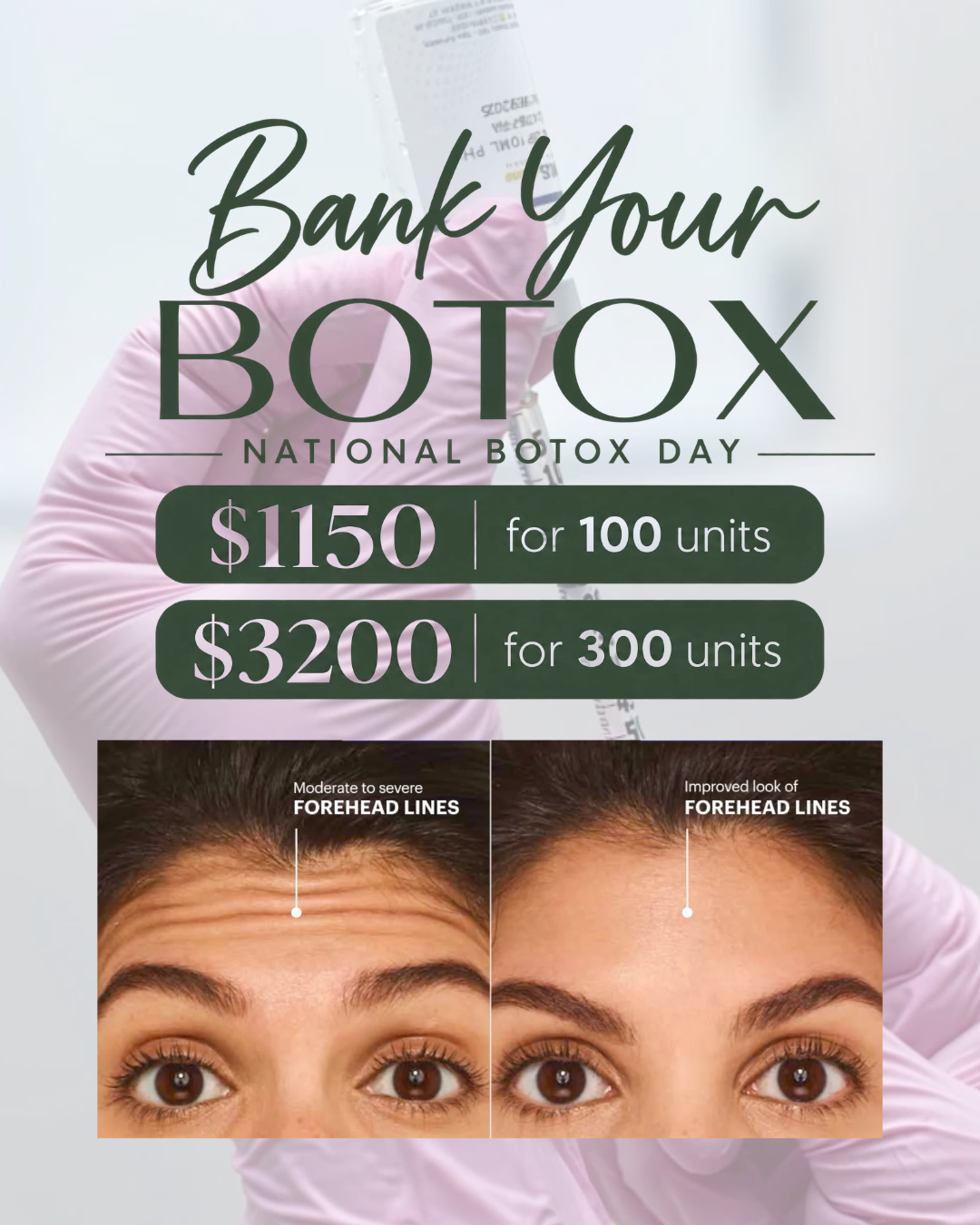
48 HOUR SALE for National Botox Day!

48 HOUR FLASH SALE for National Botox Day! Call to Claim!

Contact Us