

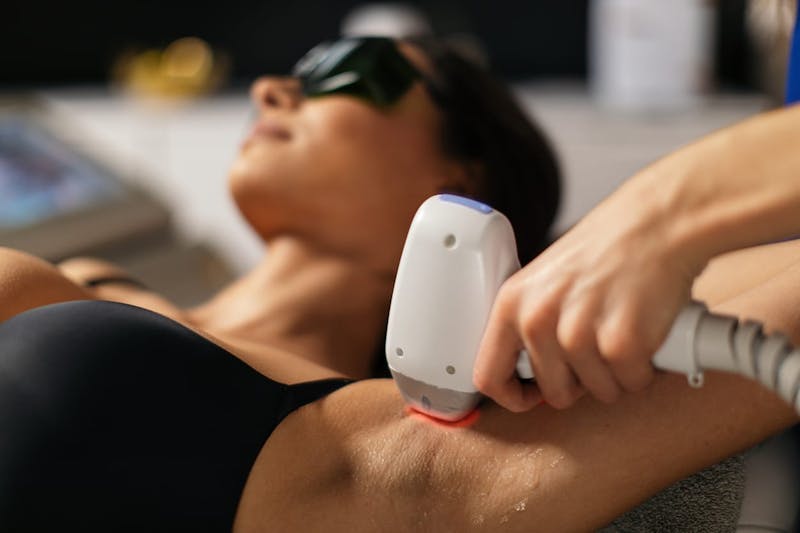
Laser hair removal has become one of the most popular cosmetic treatments in the country — and for good reason. It offers long-term hair reduction, smoother skin, fewer ingrown hairs, and significantly less maintenance compared to shaving or waxing.
But here’s what many patients don’t realize: the quality of your results depends just as much on who performs your treatment as the laser itself.
Laser hair removal is not simply a cosmetic service. It involves medical-grade devices that generate heat powerful enough to permanently affect hair follicles and surrounding skin tissue. In inexperienced hands, those same devices can cause burns, blistering, hyperpigmentation, scarring, and long-term skin damage.
That’s why choosing the right laser hair removal provider in Boston matters far more than finding the cheapest package online.
At Neem Medical Spa, many of our patients come to us after disappointing experiences elsewhere — including ineffective treatments, inconsistent results, or complications caused by poorly trained operators using inappropriate devices for their skin type.
In this guide, we’ll explain exactly what credentials, oversight, and technology you should look for before booking your first laser hair removal appointment in Massachusetts.
Why Provider Credentials Matter More Than Price
When patients compare laser hair removal providers, the first thing they often notice is pricing.
One provider advertises discounted sessions dramatically. Another offers unlimited packages. A third promotes “lunchtime laser treatments” with little explanation about the technology or staff qualifications.
But laser hair removal is not a commodity treatment where every provider delivers the same outcome.
The laser settings used on your skin directly affect:
- Safety
- Treatment effectiveness
- Risk of burns
- Risk of pigmentation changes
- Long-term results
- Skin healing
The wrong wavelength, incorrect energy setting, or improper treatment technique can lead to serious complications.
According to the Mayo Clinic, laser hair removal performed by inexperienced or unqualified providers can result in burns, permanent skin color changes, and scarring.
The American Academy of Dermatology (AAD) also recommends choosing either a board-certified dermatologist or a provider working under physician supervision to minimize complications and improve patient safety.
This becomes especially important for patients with:
- Darker skin tones
- Sensitive skin
- Hormonal hair growth
- History of pigmentation issues
- Coarse or dense hair
- Prior laser complications
A cheaper treatment that causes burns or yields ineffective results ultimately becomes far more expensive than selecting a qualified provider from the outset.
Who Is Legally Qualified to Perform Laser Hair Removal in Massachusetts?
Massachusetts takes laser procedures seriously because lasers are considered medical devices.
Under Massachusetts regulations, laser procedures performed in medical settings require physician oversight. The Massachusetts Board of Registration in Medicine states that physicians serving as medical directors are responsible for ensuring that laser operators are properly trained, skilled, and competent in the procedures they perform.
This is an important distinction that many patients don’t fully understand.
Physician-Supervised Medical Laser Treatments
In a compliant medical spa setting, laser hair removal may be performed by trained laser technicians, nurses, or licensed professionals operating under physician supervision.
This means:
- Treatment protocols are medically reviewed
- Providers are trained on laser safety
- Complications can be medically managed
- Devices are selected appropriately for skin type
- Patients receive individualized assessments
- Physician oversight also means there is accountability if something goes wrong.
Non-Medical Esthetics Studios
Some non-medical studios market “light-based hair reduction” or use IPL-like devices that are less powerful than medical-grade laser systems.
While not every non-medical provider is unsafe, patients should understand that:
- Training standards may vary significantly
- Medical supervision may not exist
- Devices may be weaker or less effective
- Skin assessments may be less comprehensive
- Adverse reactions may not be medically managed
This is one reason why patients sometimes experience inconsistent outcomes after purchasing heavily discounted treatment packages at laser-only studios or chain providers.
The key takeaway is simple: before booking a treatment, ask whether your laser hair removal provider operates under physician supervision and what that supervision entails.
Medical Spa vs. Laser-Only Studio: What Is the Difference?
At first glance, many laser hair removal businesses appear similar online. Most advertise smooth skin, advanced technology, and affordable packages.
But there’s a major difference between a physician-supervised medical spa and a laser-only cosmetic studio.
What a Physician-Supervised Medical Spa Provides
A medical spa combines aesthetic treatments with medical oversight and clinical standards.
That means patients benefit from:
- Medical-grade laser devices
- Comprehensive consultations
- Skin-type analysis
- Personalized treatment plans
- Supervision by a licensed physician
- Management of complications if they occur
At a reputable medical spa, laser hair removal is approached as a customized medical-aesthetic treatment rather than a one-size-fits-all service.
This matters because no single laser works best for every patient.
Different wavelengths may be required depending on:
- Skin tone
- Hair color
- Hair thickness
- Treatment area
- Sensitivity level
For example, certain lasers are safer for darker skin tones because they bypass epidermal melanin more effectively.
An experienced medical provider understands how to balance effectiveness with safety.
What Happens at Some Laser-Only Studios
Laser-only studios often focus primarily on volume and pricing.
While some may provide excellent care, others rely on:
- Minimal consultation time
- Generic treatment settings
- Aggressive package sales
- Limited physician involvement
- Less individualized treatment planning
Patients may not realize the difference until complications occur or results plateau.
A provider should be able to clearly explain:
- What technology they use
- Why it’s appropriate for your skin type
- How they determine settings
- What happens if you experience side effects
- If they can’t answer those questions confidently, that’s a concern.
7 Questions to Ask Before Your First Laser Appointment
Before committing to laser hair removal, it’s important to ask the right questions during your consultation.
A reputable provider should welcome these questions and answer them clearly.
1. Is the Practice Physician-Supervised?
Ask whether treatments are performed under physician oversight and who the medical director is.
You should also ask whether a physician is available in case of complications.
2. What Laser Technology Do You Use — and Why?
Different laser systems are designed for different skin tones and hair types.
A quality provider should explain:
- Which laser they use
- Why they selected it
- Whether they use multiple devices
- Which skin tones the device treats safely
Vague answers like “it works for everyone” are often a red flag.
3. Do You Perform a Skin-Type Assessment Before Treatment?
Skin type evaluation is critical for safety.
Providers should assess:
- Fitzpatrick skin type
- Tanning history
- Pigmentation risk
- Hair density and color
- Medication history
Skipping this step increases the risk of complications.
4. How Do You Handle Adverse Reactions?
Even properly performed laser treatments can occasionally cause temporary redness or irritation.
Ask:
- What side effects are normal?
- What complications are possible?
- How are burns or pigmentation issues managed?
- Who should you contact after treatment?
A medically supervised practice should have clear protocols in place.
5. Do You Offer Patch Testing?
Patch testing allows providers to evaluate how your skin responds before full treatment.
This can be especially important for:
- Darker skin tones
- Sensitive skin
- Patients prone to hyperpigmentation
- First-time laser patients
6. What Training Do Your Laser Operators Have?
Ask directly about training and experience.
Important questions include:
- How long have they performed laser treatments?
- What certifications do they hold?
- How often do they treat patients with your skin tone?
Experience matters significantly in laser aesthetics.
7. What Experience Do You Have With My Skin Tone and Hair Type?
Not every provider has extensive experience treating all skin tones safely.
This is particularly important for patients with medium-to-dark complexions, as inappropriate settings may increase the risk of pigmentation.
An experienced provider should be comfortable discussing treatment expectations specific to your skin and hair profile.
Red Flags to Watch Out For
Choosing a laser provider becomes easier when you know the warning signs.
Here are several red flags patients should never ignore.
No Physician On-Site or Available
If the practice cannot clearly explain its medical oversight structure, proceed cautiously.
Vague Answers About Equipment
Providers should know exactly which laser systems they use and why.
If they can’t explain the technology, that’s concerning.
Extremely Low Prices
Aggressively discounted packages may indicate:
Older equipment
Undertrained staff
High patient volume
Shortened treatment times
Laser hair removal is highly technique-dependent. Extremely low pricing sometimes comes at the expense of quality or safety.
No Consultation Before Treatment
A proper consultation should happen before your first session.
Skipping skin analysis increases the risk of ineffective treatment and complications.
One Device for Every Patient
Different patients require different approaches.
Providers who claim one machine works perfectly for every skin tone and hair type may not be customizing treatment appropriately.
Operators Who Cannot Explain Side Effects
Your provider should confidently discuss both benefits and risks.
If they avoid questions or provide unclear answers, that’s a major warning sign.
What Sets a Board-Certified Medical Spa Apart in Boston
At Neem Medical Spa, patient safety and individualized treatment planning are central to every laser consultation.
Under the supervision of Dr. Rosy Sandhu, board-certified internal medicine physician, our team focuses on combining medical oversight with advanced aesthetic expertise.
We understand that successful laser hair removal requires more than simply operating a device. It requires:
- Proper patient selection
- Skin-type matching
- Customized laser settings
- Ongoing treatment evaluation
- Safe treatment protocols
Our team takes the time to evaluate your skin tone, hair type, treatment goals, and medical history before building a personalized treatment plan.
You can also learn more about the Neem Medical Spa team and our approach to patient care.
If you’re considering laser hair removal at Neem Medical Spa, we encourage you to schedule a consultation so we can determine the safest and most effective treatment plan for your skin.
Conclusion
Choosing a laser hair removal provider is about far more than convenience or pricing.
Because laser treatments involve medical-grade devices capable of permanently affecting the skin and hair follicle, provider experience and physician oversight matter tremendously.
A qualified provider should offer:
- Medical supervision
- Advanced laser technology
- Skin-type assessment
- Personalized treatment planning
- Clear safety protocols
- Experience treating diverse skin tones
The right provider helps minimize risk while maximizing your long-term results.
If you’re considering laser hair removal in Boston, Neem Medical Spa offers physician-supervised treatments tailored to your skin, hair type, and goals — helping you achieve smoother skin safely and confidently.